
Hi Zee. Where were you when the government told you to stay home'?
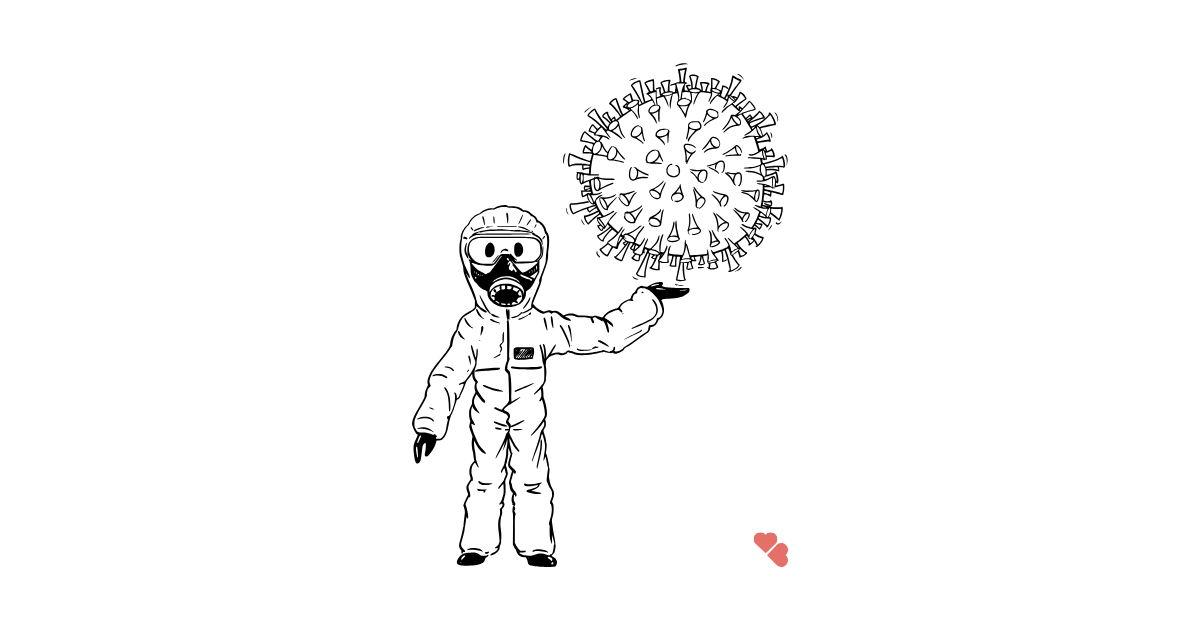
You were the generation who learned the world as we know it can stop overnight.
Dear Zee. That’s right. I want to talk about the C word.
I’m pretty sure this will be the first of many letters about COVID-19 because I don’t think we talk enough about what that period actually felt like to your generation. Four years later, the impacts are still unfolding and I genuinely can’t imagine trying to grow up in the middle of all that uncertainty.
When I look back at when COVID started, I remember my daughter asking me what would happen if it kept spreading. I recall being super chill and saying something like, “You were born during the middle of a SARS outbreak. People panicked for a couple of weeks and then went back to normal. These things happen, it’ll be fine.” Famous last words, eh?
I remember where I was when Princess Diana died and September 11. These were the kinds of big moments I look back on growing up where the world didn’t just fundamentally change, it took a collective and sudden pause. You remember can’t help but remember the place you were standing because everything around you stopped for a little while.
COVID became one of those moments too.
Where were you Zee, when the first lockdown was announced?
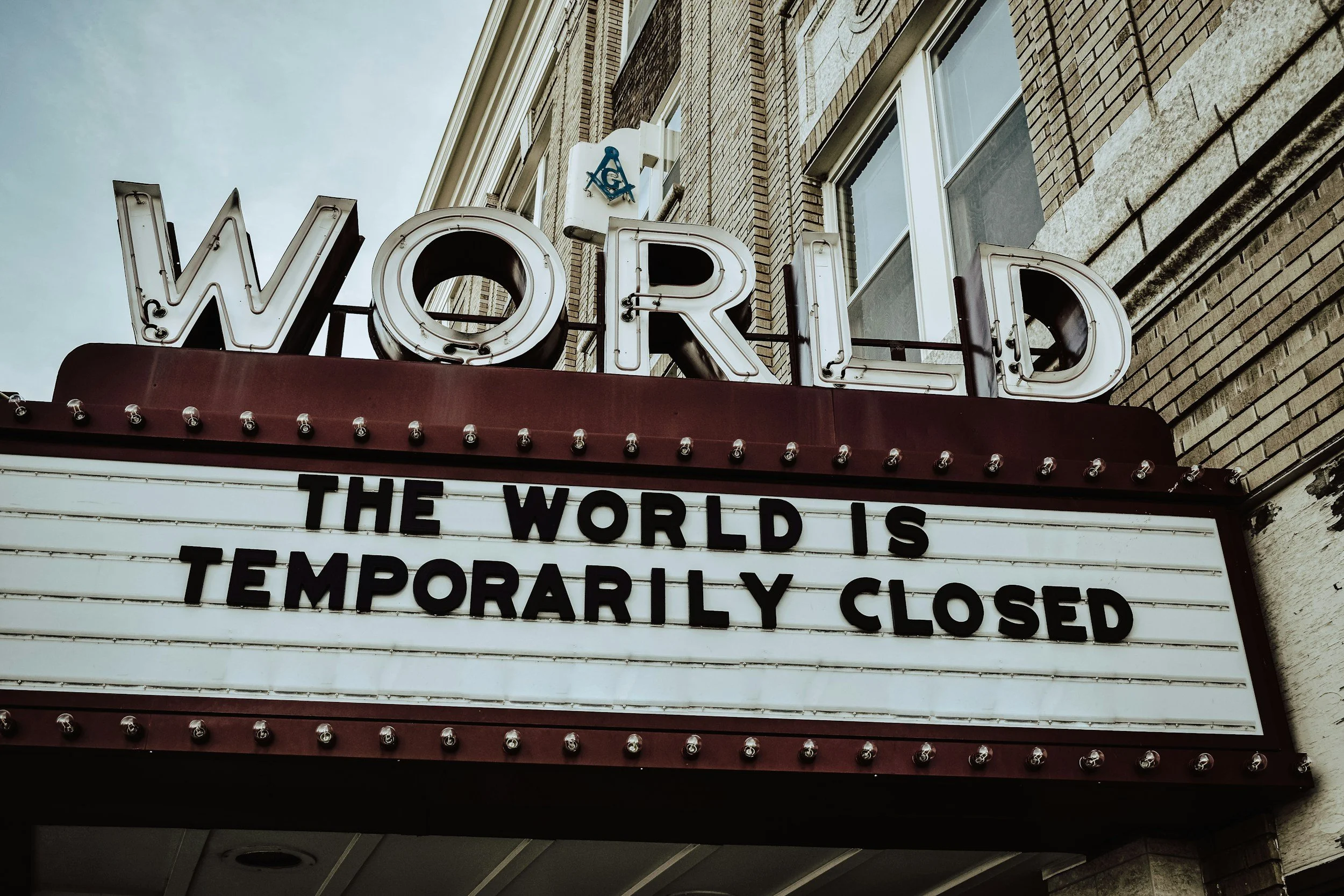
The moment Justin Trudeau told us we all had to stay home for the foreseeable future, I was on a ferry crossing back to Vancouver Island from the mainland. Hundreds of people were standing around, phones in hand, all receiving the same notification at the same time. Nobody really spoke. Nobody really knew what to do. I think we even avoided eye contact. It wasn’t really panic, it was something different than that. Because like me, I think many of them had gone through the past few weeks thinking ‘this too will pass’.
For older generations, COVID can now be viewed as a chapter that’s over. But for you Zee, I’m not sure it will ever really felt like a chapter in the same way. Maybe it felt more like something that interrupted the middle of becoming.
Human life is normally messy, loud, physical and deeply social. It’s built through repetition and community… think school hallways, workplaces, friend groups, casual conversations, awkward moments and small risks that teach you how to exist in the world. COVID removed a lot of that at the exact moment many of you were supposed to be learning it.
Globally, over 1.6 billion students were affected by school closures at the height of the pandemic. In Canada alone, education, work and social life were repeatedly disrupted over the course of nearly two years. For many young people, what should have been some of the most socially formative years of their lives became something else entirely that I have no words for. They were heavily fragmented, isolated and heavily mediated through screens.
School didn’t end in a graduation ceremony. It ended on a computer screen. I cried watching that ceremony, but my daughter was stoic somehow and just persevered, as if the months of lockdown had worn her down and this was simply the new normal. Through this pause…
her relationship with band completely dissolved. Playing the clarinet through a mask doesn’t have the same ring to it.
she went through a medical emergency solo because nobody was allowed in the hospital with her.
She was laid off from her part-time job at a rec centre. Unsurprisingly youth unemployment spiked to 28% (the highest in decades) in mid-2020. It still hasn’t fully recovered.
her graduation Contiki tour was cancelled.
But still, she persevered, almost to a point of numbness. I knew it wasn’t okay, and I also realized she wasn’t alone. Youth anxiety and depression symptoms were nearly double the previous baseline and youth globally were struggling.
Around the world, weddings were cancelled and funerals weren’t permitted. People missed the chance to say hello to new babies or goodbye to loved ones. Entire rites of passage like first jobs, prom, parties… simply didn’t happen.
I believe in systems, and I believe we need them to not only survive, but to thrive.
Your generation entered adulthood watching governments rewrite rules in real time. Schools shut down overnight and entire industries paused. Employers who once insisted remote work was impossible suddenly built fully digital workplaces within weeks. These long-standing systems that adults spoke about as permanent, suddenly revealed how fragile they actually were.
For an emerging generation like yours, that’s gotta leave a mark.
Once you’ve watched society pivot that quickly, it becomes harder to blindly ‘trust the way things are.’ I think part of the reason your generation questions workplace culture, challenges authority, pushes for flexibility and resists tying identity entirely to work is because you watched the ‘normal’ that adults so fiercely defend, disappear almost overnight.
This great pause didn’t just interrupt your generation. I think it fundamentally changed you expectations of the world.
I don’t think COVID made your generation weaker. I think it made you more aware of how quickly life, work and stability can change, and that awareness is now shaping the way you move through the world. And it certainly made you more adaptable.