
Hi Zee. Is 5 generations in the office at once too much?
Having that breadth of people in the same workplace isn't going to be easy and we should stop pretending it will be.
Dear Zee. Have you noticed just how many different kinds of people (and different kinds of opinions) there are in the office these days?
This has never happened before. We’ve never had five different generations in the workplace all at the same times. Yes, Boomers are exiting… and Gen Alpha is just getting their toes wet… But some offices do have 5 distinct generations of people working in them. That’s not going to work smoothly without understanding, work and good systems.
I don’t know why it comes as such a surprise that generations aren’t seeing eye-to-eye. I recognize that this is highly generalized, but bare with me:
Boomers trust the system and value loyalty.
Gen X survives and holds the system together with quiet resentment.
Millennials were crushed by the system and are now just permanently exhausted.
You (Gen Z) are actively questioning why the system even exists.
Gen Alpha won't even recognize the system unless it has a touchscreen and an API.
We’re all working in the same system, but everyone is approaching it with different backgrounds and different operating systems.
Let’s quickly get to know a few things about the players…
Boomers: The Mentors
Boomers grew up believing work was primarily about stability… you got a job, you stayed loyal, you climbed the ladder slowly. If you worked hard enough, the system rewarded you with a house, a pension, and maybe a boat you used three times a year (I seriously want a yacht).
Many Boomers are still working today, partly because they want to, partly because retirement is expensive, and partly because work became deeply tied to their identity. They carry enormous institutional knowledge and deeply understand how companies function far beyond the org chart. They also take shit for being resistant to change, not understanding mental health conversations and struggling with technology.
Gen X: The Pragmatists
Gen X is the forgotten middle child of the workforce. They grew up independent, adaptable and mildly suspicious of authority. Many of them learned resilience early and carried that exact mentality into their careers. Now they’re stuck managing upward and downward simultaneously, absorbing pressure from Boomer leadership while trying to manage younger teams who fundamentally reject the grind culture they survived.
Gen X tends to value autonomy over appearances and results over process, essentially giving off "leave me alone and let me do my job" type vibes, while taking shit for emotional detachment, cynicism and quietly suffering instead of asking for help.
Millennials: The Purpose Seekers
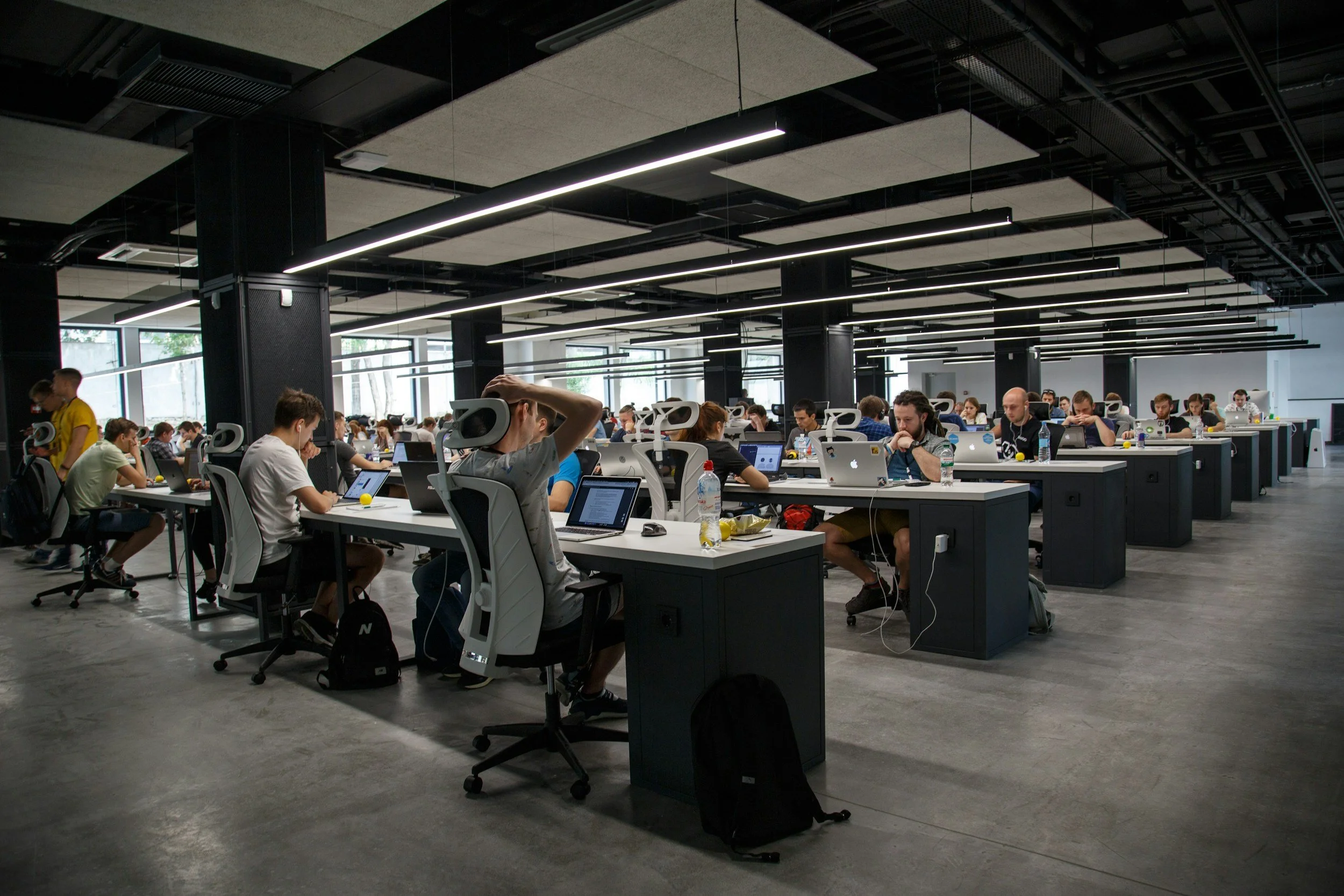
My people! The generation that entered adulthood directly into economic chaos and somehow became responsible for avocado toast (it’s not that good). Millennials were sold a very specific promise to go to school, work hard and get a career so everything would work out, but then reality delivered the 2008 recession, skyrocketing housing prices, hustle culture, burnout, unpaid internships and corporate wellness webinars instead of raises.
In the future, Millennials will be the last remaining generation to remember what life was like before the digital era, and they were the group that started to normalize remote work, therapy and purpose-driven careers. Still, they take plenty of shit for being "too sensitive," inventing "participation trophy culture," and turning burnout into a personality trait for about a decade.
Gen Z: The digital natives
This is all you, Zee! You are the first generation to enter the workforce having never experienced a world without the internet. To you, technology isn’t a tool, it’s just normal, everyday infrastructure. Because you grew up during climate anxiety, economic instability, social media, political chaos, COVID, AI disruption, and a mathematically impossible housing market, your relationship to work is naturally different.
Gen Z tends to view work less as loyalty and more as a straightforward contract: I’ll give you my time, energy and skills, and in return, you need to provide me with fair compensation, growth, flexibility and psychological safety. It's a rational exchange, yet you constantly take shit for "lacking professionalism," preferring Slack over phone calls, job hopping, setting boundaries and simply refusing to pretend work is your entire life. I don’t think your lazy Zee, I think you’re highly adaptive.
Gen Alpha: The AI natives
These kids are growing up in a world where AI is normal, remote work is standard and the line between physical and digital life barely exists. To them, the office may not even register as a physical place, but rather just a thing you log into. We’re just starting to get to know this generation of workers, but they’re likely going to be hyper-adaptive, entrepreneurial, deeply tech-integrated and simultaneously at risk of massive attention fragmentation.
As for what they’ll take shit for? We’ll see… but I’m guessing they’ll be labeled as "iPad kids" by the exact same adults who handed them the iPad in the first place.
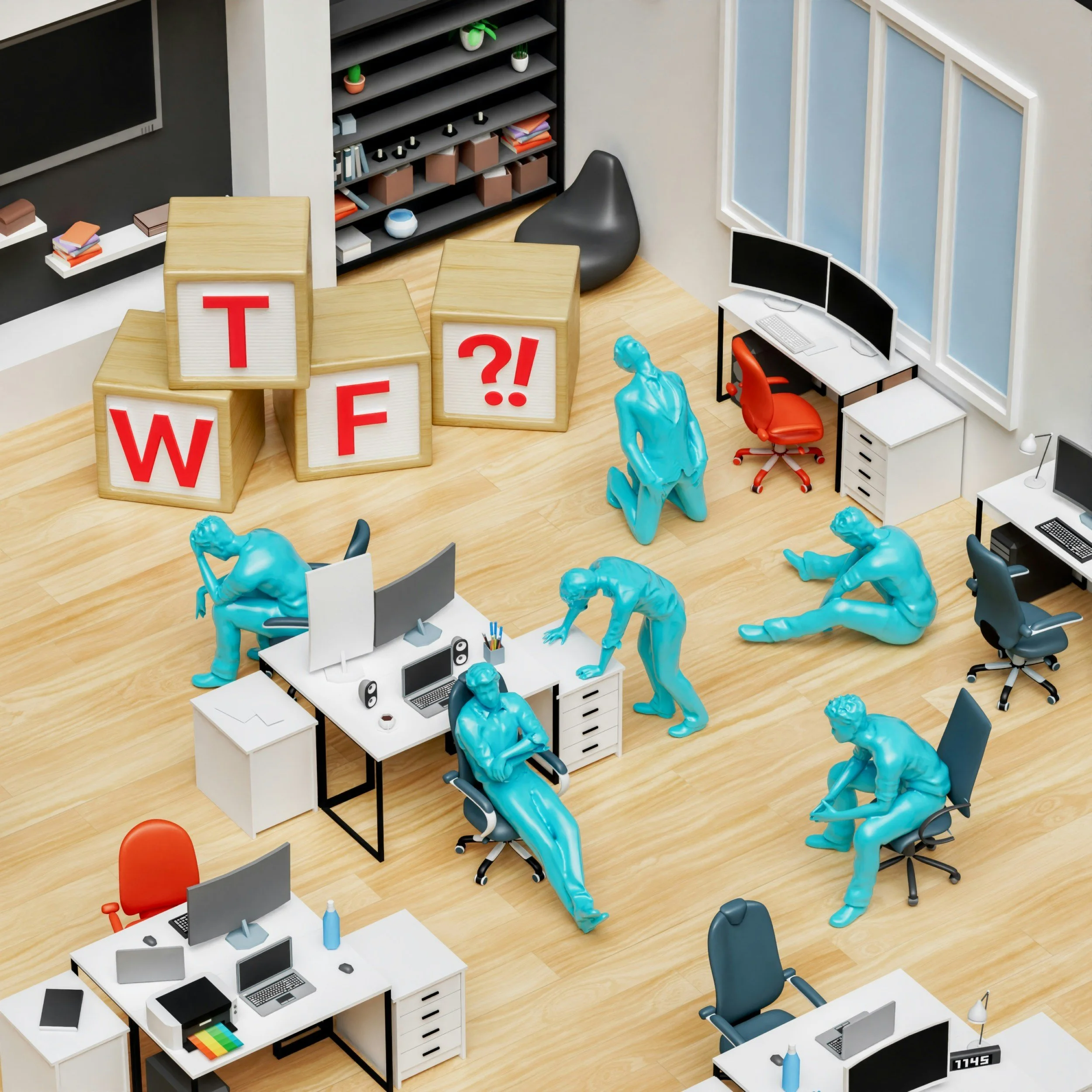
All five of these groups were shaped by completely different economic realities, technologies and core expectations about what work is supposed to give you in return. So yes, there is massive conflict. But what we’re witnessing right now isn't just people failing to get along in the break room, it’s a bit more of a system collision.
Right now, the data’s pretty clear: almost half of HR leaders say managing this multigenerational mess is their main operational headache.
Sit with that for a minute.
They’re not worried about strategy or growth.
They’re worried about getting everyone to function in the same system without so much friction.
I don’t think people are being difficult intentionally.
Older generations still tend to link productivity with visibility. If you’re not seen working, are you even working?
Younger generations are way more output-focused. If the work gets done well, why does it matter where, when, or how I did it?
Then there’s communication.
A phone call out of nowhere can feel genuinely disruptive for Gen Z… like a surprise live event you didn’t agree to attend.
Meanwhile, a Slack message full of emojis and short replies can read as casual to younger workers… and come off as sloppy, unclear or borderline disrespectful to older ones.
So you end up with this weird situationship… (did I use that word properly?)
“Too direct” = rude
“Too casual” = unprofessional
“Too slow to respond” = disengaged
“Too available” = not serious
There is no agreed upon definition of what “normal” looks like in the workplace anymore. Each generation comes with completely different operating assumptions about how work is supposed to behave.
We’ve acknowledged the problem, now what are we going to do about it?
Good question Zee. Very good question. I don’t know that anyone knows how to answer that yet, but some forward thinking organizations have finally realized they can’t just wait for the older generations to retire or the younger ones to grow up.
There’s been a few strategies I’ve heard about:
Reverse Mentoring: (Yes, Gen Z gets the mentor the Boomers) Companies are pairing executives with younger workers. Not just so seniors can learn how to use generative AI or BI dashboards, but so they can understand the psychological expectations of the emerging workforce.
Communication Audits: Teams are creating strict "Communication Playbooks" to eliminate guesswork. They are establishing clear rules—like Slack is for quick logistics, email is for documentation, and phone calls are strictly for emergencies. (I’ve actually built a few of these, they’re super nerdy but kind of fun)
Skills-Based Over Tenure: Progressive companies are abandoning the rule that says you need twenty years of legacy experience to lead. They are recognizing that cognitive agility and digital fluency matter more than survival time in a corporate chair.
The countdown is on
Here’s the scariest part Zee. We don’t have very long to figure this shit out. We are standing at a major demographic crossroads. Over the next few years, the retirement of Boomers and older Gen Xers is going to create an unprecedented knowledge gap. The traditional internal manuals are walking out the door in people's heads.
If companies don't figure out how to build a psychological bridge between the eras right now, they face a massive brain drain on one end, and a total retention collapse on the other. Cause Zee, you and your peers have proven you’ll leave a rigid, outdated culture in a heartbeat.
If you started glazing over this letter, here’s the takeaway.
Do not let anyone convince you that you are the problem just because you refuse to accept "the way things have always been done."
Every generation before you tried to fix the system, but you are the first one with the collective leverage of a digital ecosystem to actually enforce boundaries.
The chaos happening in the office right now isn't a sign that your generation is failing to adapt. It’s a sign that the old systems are finally being forced to evolve. You aren't breaking the workplace. You’re just rewriting a contract that was badly overdue for an update. And i’d love to help!