
Hi Zee. Have you ever wondered how we ended up here?
I'm not talking about in the 'birds and the bees' sense. More like, why do we work at all? Spoiler alert, it's because of the farmer.
Dear Zee. Have you ever Googled ‘why do we work’?
Don’t worry, I took care of that for us. I figured it might be important context as we try and figure out how we’re going to make work, work better. Here’s what I learned? It’s all because of our inherent need to eat. Here’s a very brief, very over-simplified, history lesson for you.

Let’s start with hunting and gathering.
For most of human history, work wasn’t a thing you went to, a project you built, a machine you operated or a desk you sat at. It was just… survival. Nobody had a LinkedIn profile in 12,000 BC. There were no quarterly goals and performance reviews didn’t exist. You woke up in the morning because if nobody gathered food, fixed the shelter, fetched the water or kept the fire going, everybody just… died. Pretty motivating culture, really.
Back then, humans lived in small groups where labour and life were fully intertwined. You didn’t have a career, you had tasks. Some people hunted, some gathered, some watched kids and some made tools. Contrary to the modern fantasy that ancient humans spent every waking moment suffering, some anthropologists estimate hunter-gatherer societies may have spent only 15–20 hours per week on survival-related labour. (Keep in mind, life was obviously far less medically safe and stable than today.)
Then the farmer showed up.
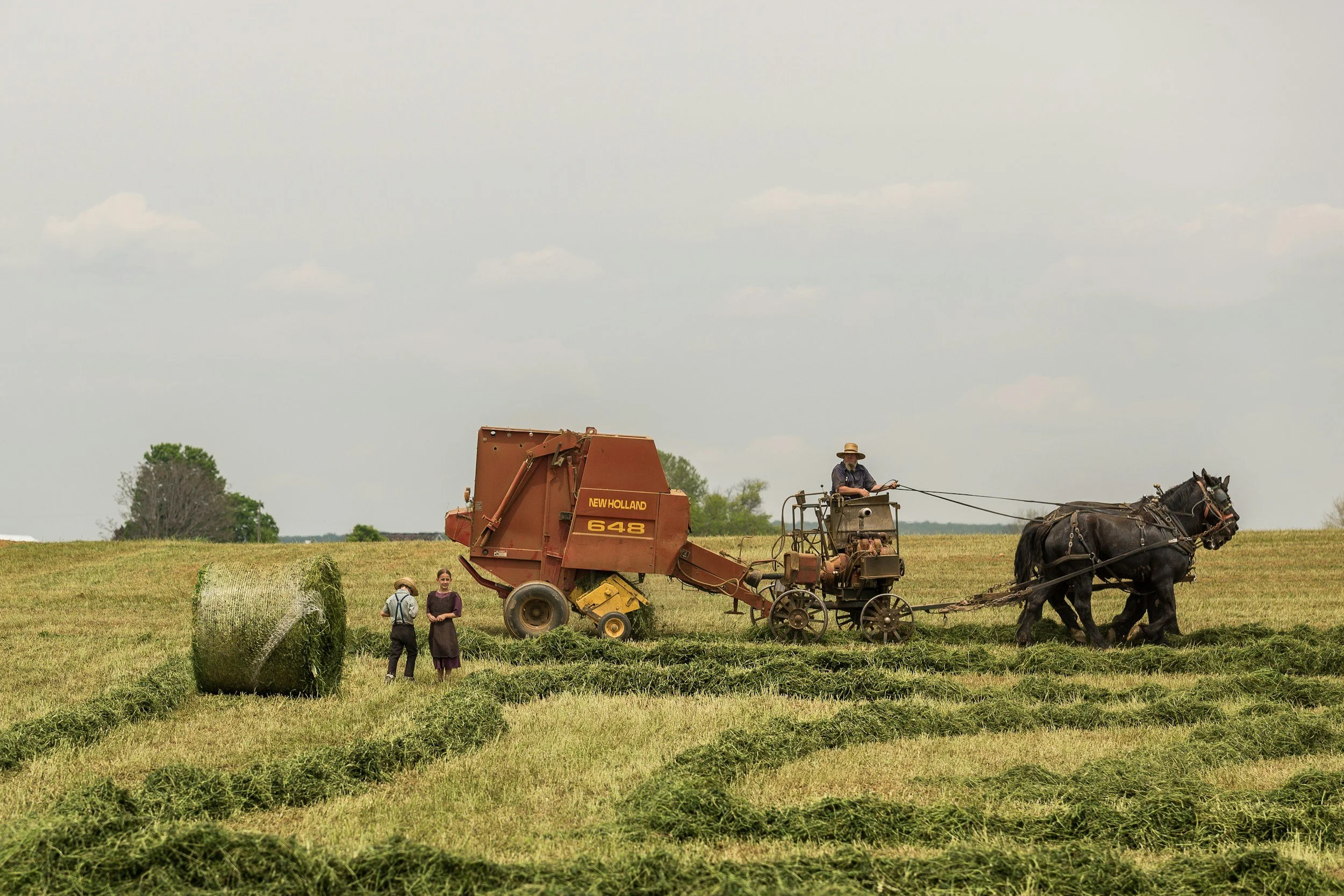
Hello agriculture. Around 10,000–12,000 years ago, humans figured out how to farm. This seemed like a pretty great concept until you realize that this also invented property, hierarchy and taxes. Ugh, taxes.
All of a sudden people could produce surplus, like more grain than they immediately needed or could use without spoiling. Once humans had extra stuff, they also invented the need to organize, store, protect, count, trade and inevitably fight over that stuff. This is basically where work stopped being purely about survival and started becoming about systems.
Villages became cities. Cities needed roads, armies, governments, priests, scribes, builders and traders. People began specializing. Instead of everyone doing a bit of everything, you became the blacksmith, or the baker, or the pottery guy. Society got more efficient and humans became more dependent on each other. You no longer survived because you knew how to do everything. Instead you survived because the system held together.
Money was introduced.

Because bartering was a bit of a logistical nightmare. Trading three chickens in exchange for building a fence sounded good in theory, but what if the fence builder doesn’t need chickens? And you have nothing else in surplus to offer him? Creating currency solved this problem by becoming a shared fiction everyone agreed had value.
That’s right Zee. Money is made up. Sit with that notion for a bit. It’s really just a collective trust between people with branding. A twenty-dollar bill only works because we all silently agree it does.
Fast forward a few thousand more years and work keeps scaling alongside civilization. Kingdoms become empires and trade routes become economies. The Industrial Revolution arrives in the late 1700s and absolutely detonates the relationship humans had with labour.
Most people worked close to home. Farmers farmed and craftspeople made things slowly. Work followed seasons, daylight, weather and community rhythms. Then machines entered the picture.
Factories needed workers.
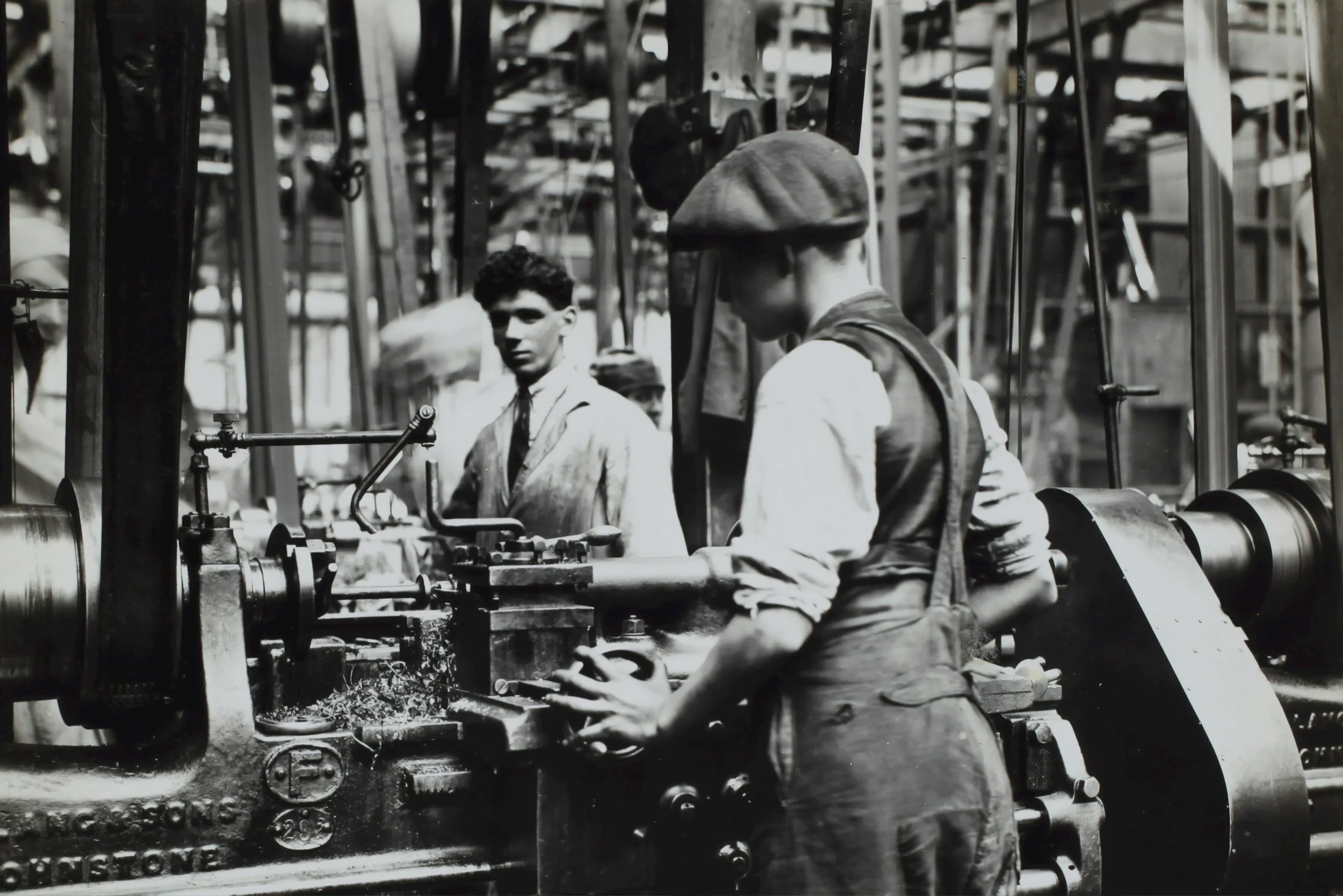
Lots of people, all in one place, at one time, doing one repetitive task for long stretches of time and the 40-hour work week was introduced. Time became standardized and efficiency became king. Humans stopped working with natural rhythms and started working to the rhythm of machines. This is where a lot of modern work culture quietly begins: clocks, shifts, productivity metrics, time is money, and the deeply cursed idea that sitting at a desk for eight hours automatically equates to value.
The work world as we know it was never designed around humans flourishing. It was designed around industrial output and efficiency.
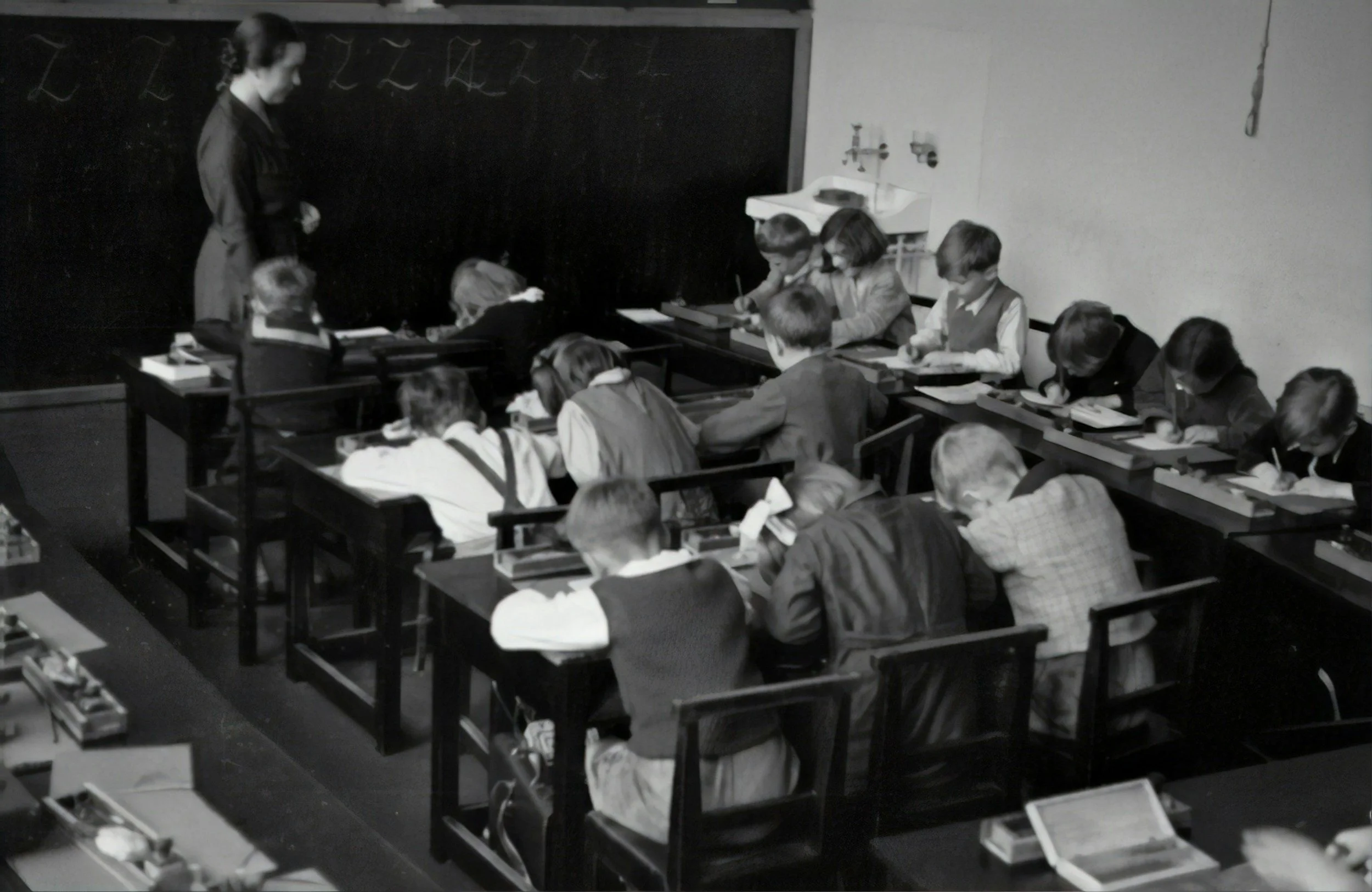
Schools trained children for factory discipline.
Think about it. Sit still, follow instructions, bells tell you when to move, and definitely don’t question authority. From a very young age, people quietly learned that their value came from performance. Good grades, good behaviour and good attendance were rewarded. Productivity and identity became a tangled up mess long before a individual ever enters the workforce.
In a natural progression, corporations inherited those structures. Much of modern office culture still mirrors factory-era structures built over 100 years ago, despite the fact many of us no longer produce physical goods at all.

Then technology arrived and somehow made everything both easier and more psychologically exhausting. Email erased boundaries and smartphones turned work into something that follows you everywhere. Social media made careers feel comparative and performative and globalization increased competition. And now AI is entering the workforce.. like a caffeinated intern who never sleeps.
So here we are. Nobody decided humans should spend most of their lives working (not even the farmer even though he makes a great scapegoat in this story). The system evolved slowly across thousands of years as humans solved one problem after another: food, safety, trade, scale, efficiency and growth.
Now we’re left with a workforce that optimized for productivity faster than it optimized it for humanity. Workers today are dramatically more productive than previous generations thanks to technology and automation, yet many people feel less financially secure and more psychologically exhausted. Humans never evolved for permanent cognitive availability.
Zee, how wild is it that we’re this species that invented grocery delivery, space travel and tiny computers capable of accessing nearly all human knowledge… and somehow still accept a world where people spend a Sunday night dreading a 9:00 a.m. status meeting?
Humans once organized work around daylight, seasons and community rhythms. I wonder what work could look like if it was intentionally designed around this idea, instead of old school industrial output? Something to ponder until next time…